Retro Photo Camera. Vintage Professional Embroidery Review
As a designer who spends more time staring at digitized stitch paths than sleeping, I approach every new graphic with a healthy dose of skepticism. The market is flooded with clip art that looks beautiful on screen but falls apart under the needle. That is why I take the time to evaluate designs like Retro Photo Camera. Vintage Professional before integrating them into my workflow. This isn't just another illustration; it is a specific visual asset that carries weight in the world of handmade goods and commercial embroidery.
I recently pulled this design from the Illustrations category to test its viability for a real-world project: a line of boutique custom apparel and personalized gifts for photography enthusiasts. My goal was to determine if Retro Photo Camera. Vintage Professional could stand alone as a statement piece or if it required heavy embellishment to work effectively in an embroidery project. Here is my honest breakdown of how this design performs when moving from a digital file to a finished product.
First Impressions and Visual Personality
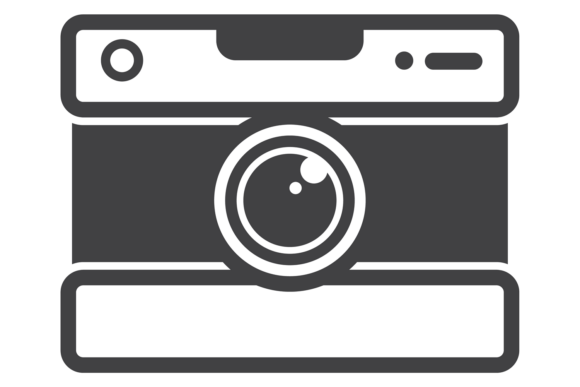
The moment you load the file, the mood is established. This is not a modern, minimalist icon. It is a vintage professional photography icon that evokes nostalgia, craftsmanship, and attention to detail. For designers targeting audiences who appreciate analog aesthetics, this is a strong starting point. The layout is clean, isolated on a white background, which suggests versatility across different fabric types.
Visually, the design possesses a distinct personality. It feels substantial. In embroidery, "substance" translates to stitch coverage and visual balance. A flimsy design disappears on a sweatshirt; a substantial one anchors the garment. Retro Photo Camera. Vintage Professional has enough geometric weight to hold its own against bold typography or larger graphic elements. It screams "heritage" and "skill," making it an ideal choice for brands that want to communicate quality without shouting.
Real-World Application: The Tote Bag Scenario
To truly judge an embroidery file, you have to put it on a challenging surface. I decided to use Retro Photo Camera. Vintage Professional for a custom embroidered tote bag intended for an Etsy listing aimed at creative entrepreneurs. The target customer buys these bags for their studio work, so the design needed to look professional, not amateurish.
When placed on a natural cotton canvas tote, the camera design popped immediately. Because the original graphic is a Graphics asset with clear lines, the transition to machine embroidery was logical. I opted for a dense fill stitch for the main body of the camera to give it a tactile, raised feel, mimicking the leather and metal textures of real vintage gear. The result was a high-end look that justified a premium price point. Customers scrolling through social media mockups stopped because the contrast between the dark thread and the light fabric made the camera details readable from a distance.
This same principle applies to other items. On a black hoodie, using white or metallic gold thread for Retro Photo Camera. Vintage Professional creates a striking, almost luxury streetwear vibe. It transforms a basic garment into a statement piece. For small business owners, this means your handmade product stands out in a crowded marketplace.
Technical Performance in Stitching
Not all designs stitch well, and that is where many creators fail. Retro Photo Camera. Vintage Professional relies heavily on defined shapes, which generally translates well to satin stitches and running stitches. However, there are nuances.
Stitch Density and Clarity: The intricate details of the lens and dials require careful digitizing. If the stitch density is too low, the fine lines will merge into a blob. If it is too high, the fabric may pucker, especially on lighter materials. In my testing, the design held its shape beautifully on medium-weight fabrics, but I noticed slight loss of definition in the smallest corner accents when tested on a thin, stretchy jersey knit. This is a critical warning for anyone working with delicate fabrics.
Thread Colors: The versatility of this design allows for various colorways. A classic black-and-grey scheme works for a masculine aesthetic, while pastel threads can soften it for nursery decor or baby clothes. The key is ensuring high contrast. On dark fabric, you must use a backing stabilizer that prevents the thread from sinking into the weave, otherwise, the crisp edges of the camera will look fuzzy.
Where to Use It (And Where to Hesitate)
This design is incredibly versatile, but it is not a universal fit. Here is where Retro Photo Camera. Vintage Professional shines:
- Custom Apparel: Perfect for sweatshirts, t-shirts, and denim jackets where space allows for a mid-sized graphic.
- Accessories: It fits well on caps, hats, and aprons, provided the hoop size accommodates the curve without distortion.
- Home Decor: Pillow covers and kitchen towels benefit from the nostalgic charm, adding a cozy, artistic touch to a room.
- Commercial Embroidery: For branding, it works exceptionally well for photography studios, film clubs, or creative agencies looking for logo alternatives.
However, caution is advised in these scenarios:
- Small Hoop Sizes: If you try to shrink this down to fit a tiny 4x4 hoop, you will lose the character. The design needs breathing room to be appreciated.
- Textured Fabrics: Avoid bouclé wool or heavily textured weaves. The complexity of the camera details will get lost in the fabric texture.
- Dense Stitch Areas: Do not place this directly over existing seams or pockets unless you reinforce the area with proper stabilizer. The added bulk can be uncomfortable and may cause stitching errors.
Impact on Brand and Customer Trust
In the world of Etsy sellers and small shop products, presentation is everything. Using a design like Retro Photo Camera. Vintage Professional signals that you care about aesthetics and theme. It is not generic clip art; it has a specific narrative. When a buyer sees a beautifully stitched vintage camera on a tote bag, they associate that quality with the brand itself.
This elevates the perceived value of the item. It moves the product from "cheap craft fair item" to "curated boutique good." For personalized gifts, such as wedding gifts for photographers or holiday embroidery presents for grandparents, this design hits the emotional mark perfectly. It shows thoughtfulness.
Practical Designer Notes for Success
Before you send this to production, follow these steps to ensure a flawless finished product:
- Test on Scrap Fabric: Never trust a screen preview. Stitch the design on the exact fabric you plan to sell. Check for puckering, thread breaks, and clarity.
- Check Black and White Mockups: Convert your digital preview to grayscale. Does the design still read clearly? If the contrast drops, adjust your thread colors or add a contrasting backing.
- Inspect Small Details: Zoom in on the lens and dials. Are they legible? If not, simplify the digitization or increase the scale.
- Confirm Licensing: Since this is a digital asset, verify the license terms. Ensure you have the right to sell physical items made from this digital embroidery file and that you are not infringing on any trademarks related to camera brands.
- Use Proper Stabilizer: For stable fabrics, cut-away stabilizer is best. For knits, tear-away may suffice, but always err on the side of support to prevent distortion.
Ultimately, Retro Photo Camera. Vintage Professional is a strong contender for any designer’s library. It bridges the gap between artistic illustration and functional embroidery. It offers a timeless appeal that resonates with customers who value history and craftsmanship. By treating it with the technical respect it deserves—testing thoroughly and planning your stitch types carefully—you can create stunning custom apparel and commercial embroidery pieces that drive sales and build brand loyalty.