Retro Mustache Embroidery Design Review
As a designer who spends half my life in front of a screen and the other half watching needle bars dance, I have learned to be skeptical of digital assets that look perfect on a monitor but fail under tension. When I first pulled up Retro Mustaches with Realistic Hair Text, my initial reaction was one of cautious optimism. The description promises a specific aesthetic: retro styling combined with realistic hair texture, isolated on a white background. But does it translate into a viable machine embroidery design for real-world applications? After running through several mental simulations of how this graphic would behave as an embroidery file on various fabrics, here is my honest assessment for crafters, Etsy sellers, and small business owners.
The Visual Personality and Mood
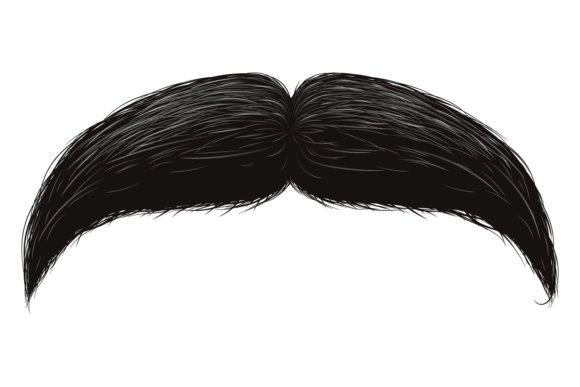
The moment you look at the source Illustrations and Graphics, the vibe is unmistakably vintage. This isn’t just a generic mustache shape; the emphasis on "realistic hair text" suggests a level of detail that aims for authenticity rather than cartoonish simplicity. For a handmade product seller, this distinction matters. A simple outline might feel cheap on a high-end sweatshirt, but a design that mimics the flow and direction of actual hair adds a layer of sophistication.
The mood created is playful yet grounded. It feels like something you would see on a mid-century grooming poster or a classic barbershop sign. This makes it incredibly versatile. It bridges the gap between a personalized gift for a hipster uncle and a trendy custom apparel item for a younger demographic. The black hairstyle element provides a strong focal point, which is crucial when converting a flat image into thread. In embroidery, contrast is king, and starting with a solid black silhouette gives us a lot of flexibility in how we approach the stitching.
Real-World Application Scenarios
Let’s talk about where this design actually shines. I often advise clients to think about the garment before they think about the design. If I were preparing a batch of tote bag designs for a summer craft fair, this mustache motif would be a top contender. The bold, dark nature of the hair texture stands out beautifully against canvas or denim. Imagine a natural-colored canvas tote with this embroidered prominently on the front pocket—it immediately elevates the item from a basic utility bag to a fashion statement.
Similarly, for sweatshirt embroidery, this design offers great potential. The retro theme pairs naturally with heavyweight cotton blends. Whether you are creating a unisex hoodie or a cropped tee for a boutique, the realistic texture adds weight and presence to the chest area without looking cluttered. It works particularly well as a standalone graphic on the left chest or centered on the back, depending on the desired aesthetic.
Another strong use case is embroidered patch creation. Because the source files include transparent PNGs and EPS formats, isolating the mustache is straightforward. You could digitize this into a dense fill pattern, add a clean satin stitch border, and create a high-quality iron-on or sew-on patch. These are popular items for Etsy sellers looking to offer accessories for denim jackets, beanies, or backpacks. The "retro" angle ensures it appeals to collectors and style-conscious buyers alike.
For aprons and kitchen towels, this design brings a touch of humor and personality to the home. A black apron with a subtle, textured mustache detail can serve as a great holiday gift or a gag gift for Father’s Day. The realistic hair texture prevents it from looking too childish, making it appropriate for adults who enjoy cooking or grilling. It fits seamlessly into the category of commercial embroidery projects that sell year-round, not just during peak seasons.
Technical Considerations and Stitch Behavior
While the visual appeal is strong, the transition from digital design assets to physical thread requires careful planning. The term "realistic hair text" implies fine lines and directional details. In machine embroidery, fine details can sometimes get lost if the stitch density is too low or if the fabric stretches too much. Therefore, checking the underlying structure of the digital embroidery file is essential. If the design relies heavily on tiny running stitch details to mimic individual hairs, those stitches may break or pucker on stretchy fabrics like jersey knit.
I recommend testing this design on scrap fabric first, especially if you plan to use it on stretchy fabric or thin materials. For caps and hats, the curved surface can distort fine details. In such cases, using a proper stabilizer is non-negotiable. A tear-away stabilizer might not provide enough support for the dense areas, whereas a cut-away stabilizer would ensure the design remains stable after washing. Also, consider the hoop size; if the design is large, ensure your machine has sufficient space to handle the density without tangling threads.
Thread color selection plays a huge role here. While the source is black, experimenting with charcoal gray or deep navy can add depth, mimicking the way light hits real hair. However, sticking to true black ensures maximum contrast, especially on lighter backgrounds. Always test your thread colors against your chosen fabric to confirm visibility. If you are working with dark fabric, you may need to use a white or light-colored underlay to make the black threads pop.
Where to Use with Caution
Not every project is a good fit. Avoid placing this design on extremely textured fabrics, such as heavy bouclé or thick fleece, unless you are prepared for the details to disappear into the nap. Similarly, be wary of using it for tiny lettering or very small accents on decorative accents where the fine hair textures might become muddy. If you are aiming for a crisp, minimalist look, this detailed design might be too busy. It is best suited for projects that can accommodate some visual weight, such as pillow covers, tea towels, or sturdy canvas bags.
Also, keep in mind that designs with realistic textures often require more thread consumption. This can affect the cost per unit for small shop products. Ensure your pricing model accounts for the extra time and materials needed to stitch out the detailed hair patterns compared to a simple outline design.
Final Verdict for Creators
Retro Mustaches with Realistic Hair Text is a strong asset for any designer’s library. It offers a blend of nostalgia and modern detail that resonates with a wide audience. From baby embroidery onesies (if stylized appropriately) to wedding gifts for groomsmen, the versatility is evident. The availability of multiple file formats, including SVG and transparent PNG, makes it easy to preview how the design will look in printable mockups before committing to production.
For creative entrepreneurs and makers, this design checks the boxes for professionalism and marketability. It looks expensive, it tells a story, and it invites interaction. Just remember to respect the technical limitations of embroidery. Test thoroughly, choose your fabrics wisely, and always confirm licensing terms before selling finished items. If you treat it with the care it deserves, this retro staple will help you create finished products that customers love and trust.