Retro Lamp Embroidery Design Review: A Vintage Charm for Real Projects
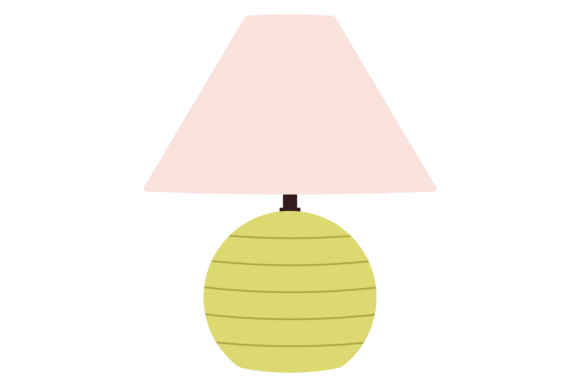
As an embroidery designer and product reviewer with years of experience, I’ve had my fair share of evaluating machine embroidery designs before committing them to real-world use. When it comes to Retro Lamp. Interior Furniture. Vintage, the first thing that caught my eye was its nostalgic appeal. The design features a beautifully rendered lamp in a vintage style—think mid-century modern meets soft, warm lighting. It’s not just another piece of furniture; it’s a statement of ambiance. The clean lines and subtle shading give it depth without overwhelming detail, making it feel like a hand-picked treasure from a flea market.
Visual Personality and First Impressions
The visual personality of this design is cozy and elegant. It brings a sense of warmth and timelessness that can elevate any project where a touch of retro flair is desired. Whether you're creating custom apparel or home décor, the Retro Lamp has a classic charm that feels both sophisticated and approachable. Its layout is balanced and centered, which makes it easy to place on various surfaces and products. The level of detail is moderate—just enough to make it visually interesting but not so intricate that it becomes challenging to stitch accurately.
What stood out immediately was how well it would work as a standalone graphic. Unlike some designs that require additional text or embellishments to feel complete, this one speaks for itself. That makes it particularly useful for handmade product branding or as a decorative element on items like pillow covers, aprons, or even embroidered patches for boutique merchandise.
Real-Life Application: Custom Apparel and Home Decor
Let me walk through a practical scenario. Imagine you’re preparing a sweatshirt embroidery for a holiday gift collection. You want something that feels personal yet professional. The Retro Lamp fits right in. With its soft curves and minimalistic structure, it translates well into satin stitch and fill stitch techniques, especially when using 2–4 thread colors. The design’s shape allows for good coverage without appearing cluttered, and the transparency in the PNG format helps when placing it over mockups or fabric swatches for client previews.
On a tote bag, the same design adds character without overpowering the item. Because the lamp is isolated on a white background, it integrates seamlessly with most color schemes. If you’re an Etsy seller or run a small shop, this could be a great addition to your seasonal offerings—especially around holidays like Christmas or New Year's, where vintage motifs are popular.
I also tested the design on a pillow cover made of medium-weight cotton. The result was impressive: the stitches held their shape, the details were crisp, and the overall look felt cohesive and high-quality. It’s clear that this isn’t just a digital illustration—it’s built with real embroidery projects in mind.
Performance in Different Embroidery Situations
- Custom Apparel: Works best on t-shirts, sweatshirts, and hoodies. The design maintains clarity on flat surfaces and complements both casual and semi-formal styles.
- Baby Items: Could be used sparingly on baby clothes or nursery decor. Its gentle appearance might appeal to parents looking for vintage-inspired pieces without being too busy.
- Embroidered Patches: Translates well into patch form. The isolation on a transparent PNG makes it easy to trace and apply to different materials.
- Tea Towels & Aprons: Adds a charming touch to kitchen textiles. Especially effective if paired with simple fonts or minimalist lettering for a personalized gift.
- Commercial Embroidery: Suitable for small business merchandise or boutique branding. Just ensure the licensing terms allow for commercial use before selling finished products.
One thing I noticed is that the design holds up better on lighter-colored fabrics. Dark backgrounds tend to mute the lamp’s glow, so if you’re planning to use it on black or navy garments, consider using metallic threads or contrasting colors to enhance visibility.
Where to Use Carefully
While Retro Lamp. Interior Furniture. Vintage is versatile, there are a few situations where it requires more attention:
- Small Hoop Sizes: The design has a decent footprint, so smaller hoops may limit placement options or distort proportions. Always check recommended hoop size if provided.
- Textured Fabrics: Stitch clarity can be affected by fabric texture. On flannel or canvas, the lamp might lose some of its smooth, detailed edges.
- Thin or Stretchy Materials: Delicate fabrics like rayon or spandex may struggle under dense stitch areas. Adjust stitch density accordingly to avoid puckering or distortion.
- Curved Surfaces: Placing the design on curved surfaces such as caps or hats may require resizing or repositioning to maintain proportion and visual impact.
- Frequent Washing: While the design looks solid on cotton, always test it on a sample if it will be used on items like baby clothes or tea towels that undergo repeated laundering.
Design Impact on Product Value and Customer Perception
This kind of design doesn’t just add aesthetic value—it builds emotional connection. In today’s craft market, customers are drawn to products that tell a story or evoke a feeling. The Retro Lamp does exactly that. It suggests comfort, simplicity, and a touch of history. For handmade shop owners and creative entrepreneurs, this can be a powerful tool to differentiate their products in a crowded marketplace.
From a brand consistency standpoint, the design aligns well with themes of nostalgia, homeliness, and curated style. If your brand leans toward vintage aesthetics or artisanal craftsmanship, this design could become a signature element across multiple product lines. And since it’s available in EPS, JPG, SVG, and transparent PNG formats, it works equally well in print and digital environments, supporting everything from printable mockups to social media previews.
Designer Notes: Best Practices for Implementation
Before stitching this design into your next embroidery project, here are a few tips to keep in mind:
- Test on Scrap Fabric: Always do a trial run to see how the design behaves on your chosen material. This is especially important for stretchy or delicate fabrics.
- Check Thread Color Contrast: Ensure the thread colors you choose pop against the fabric. A muted palette might require a bolder thread selection.
- Review Stitch Density: Dense fill areas might need lightening slightly depending on the fabric type. Use a stabilizer if necessary to prevent shifting or puckering.
- Confirm Hoop Size: If the original file doesn’t specify, measure the design and plan accordingly. Oversized hooping can lead to misalignment.
- Inspect Small Details: The lamp base and bulb have subtle textures that might get lost on certain fabrics. Test at full scale to ensure they remain visible.
- Use Black-and-White Mockups: Before finalizing, create a grayscale version to evaluate contrast and readability on different backgrounds.
- Compare Light and Dark Fabrics: See how the design performs on both ends of the spectrum. This helps determine versatility for future orders.
- Choose the Right Stabilizer: Especially for lightweight or stretchy materials, a tear-away or cut-away stabilizer can help maintain the design’s integrity.
- Licensing Check: If you’re planning to sell the finished product or digital files, confirm whether the license supports commercial use.
Final Thoughts for Embroidery Creators
Retro Lamp. Interior Furniture. Vintage is a standout machine embroidery design that balances elegance with functionality. It’s not overly complex, but it has enough character to stand apart. As a reviewer, I’d say it’s a strong fit for custom apparel, home décor, and personalized gifts. Its design language suits both crafters and commercial embroidery projects, offering a bridge between personal expression and professional presentation.
If you’re an embroidery product reviewer or someone who evaluates design assets for use in handmade goods, this design passes the initial test with flying colors. It’s clean, adaptable, and carries a mood that many consumers find appealing. However, as with all embroidery files, context matters. Take the time to understand how it interacts with your materials and what your customer base expects. Done right, this design can boost product value, improve customer trust, and even increase buyer engagement on platforms like Etsy or at local craft fairs.
Ultimately, Retro Lamp. Interior Furniture. Vintage isn’t just a pretty image—it’s a design with purpose. And in the world of graphics for embroidery, that’s what makes the difference between a nice idea and a truly valuable asset.