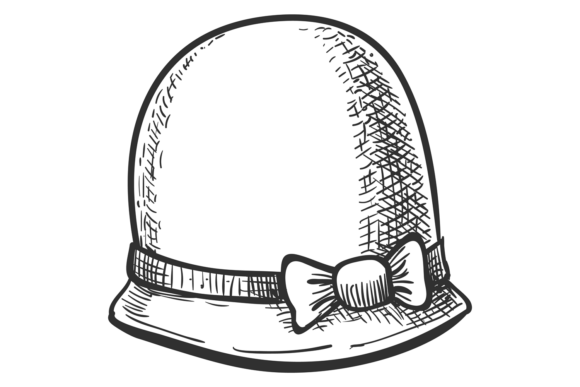
Cloche Cap Sketch: A Retro Charm for Embroidery Projects
As an experienced embroidery designer and product reviewer, I often find myself sifting through digital design files to assess their real-world usability. The Cloche Cap Sketch. Vintage Hat. Retro Fa caught my eye with its nostalgic appeal and clean aesthetic. It’s the kind of illustration that instantly evokes a sense of timeless fashion — something I can already imagine stitching onto a tote bag or adding as a decorative touch on a custom sweatshirt. Let me walk you through what makes this design stand out in practical terms.
First Impressions and Design Personality
The moment I opened the digital embroidery file, it was clear that this is more than just a simple hat sketch. The Cloche Cap Sketch carries a vintage vibe that’s both elegant and whimsical. Its silhouette is classic, with soft curves and a subtle brim, making it instantly recognizable as a retro fashion icon. The detail level is balanced — enough to give character without overwhelming the fabric. This is not a hyper-detailed portrait but rather a stylized emblem that feels like it belongs on a range of handmade products.
I found the layout to be very versatile. The central positioning of the cap allows for easy placement, whether you’re working on a large garment or a smaller accessory. The lack of background clutter (thanks to the transparent PNG and white isolation) means the design doesn’t fight for attention — it commands it subtly. That’s a big plus when designing for personalized gifts or boutique branding where understated charm is key.
Real-Life Use Cases and Project Fit
This vintage hat illustration works surprisingly well across multiple embroidery projects. Here are a few scenarios where I think it shines:
- Tote Bag Design: The Cloche Cap adds a stylish focal point without being too loud. Paired with minimalist text or a small logo, it elevates the look of any reusable bag into a boutique-ready item.
- Sweatshirt Embroidery: On the back collar or upper left chest, the design reads clearly and becomes a conversation starter. Its soft lines work especially well with modern, oversized silhouettes.
- Embroidered Patch: As a standalone patch, it’s perfect for denim jackets, backpacks, or even baby onesies. The simplicity of the sketch makes it adaptable to different sizes and placements.
- Custom Apparel for Etsy Sellers: If you're targeting a niche market like vintage lovers or fashion-forward customers, this design can serve as a signature element in your product line. It gives a sense of sophistication and uniqueness.
- Tea Towels or Pillow Covers: When using fill stitch or satin stitch variations, the cloche cap becomes a charming graphic element in home décor items. The retro theme aligns well with farmhouse or bohemian aesthetics.
Where to Be Careful
While the design is beautiful and functional, there are some limitations to consider. For example:
- Small Hoop Sizes: The design has delicate features that may get lost if you try to scale it down too much. Always confirm the minimum recommended hoop size before finalizing your project.
- Stretchy or Textured Fabrics: The fine lines and smooth curves of the Cloche Cap might distort on stretchy materials like knits unless you use a stabilizer and adjust stitch density accordingly.
- Dark Fabric Backgrounds: Thread color contrast is essential here. If you plan to stitch it on a dark fabric, test with contrasting thread colors first. Light-colored threads pop best against darker bases.
- Curved Surfaces: Stitching it onto a cap or curved surface will require some adjustment to maintain shape integrity. Consider using applique techniques or adjusting the design's orientation to suit the contour.
Also, keep in mind that while the design looks great in preview images, it needs to be tested in real life. Try stitching it on scrap fabric before committing to a full batch. This helps you catch issues with stitch density or thread coverage early on.
Visual Appeal and Brand Value
One thing I appreciate about the Cloche Cap Sketch is how it enhances the visual appeal of almost any project. It brings a sense of nostalgia and class that’s hard to replicate with generic designs. Whether used on a sweatshirt embroidery or a holiday gift tag, it feels intentional and polished.
For Etsy sellers and small shop product creators, this kind of design can significantly boost perceived value. Customers tend to trust brands that offer consistent, high-quality visuals. If your business leans into vintage or retro themes, this could become a recurring motif that strengthens brand recognition.
However, don’t overlook the importance of testing it in black-and-white mockups. Since the original design is in grayscale, it may behave differently depending on the thread colors you choose. Some shades might lose clarity on certain fabrics, so it’s worth experimenting with color palettes before production.
Designer Tips for Best Results
Here are a few practical tips to ensure you get the most out of this design in your embroidery projects:
- Test on Scrap Fabric First: Especially if you’re planning to use it for commercial embroidery or mass-produced items. This step can save you time and money in the long run.
- Check Thread Color Contrast: Use light or medium tones for better visibility. Darker threads may blend into the design and reduce its impact.
- Review Stitch Density: Make sure the stitch count is appropriate for the fabric you’re using. Too dense and it puckles; too sparse and it loses definition.
- Confirm Hoop Size: Don’t assume it fits every hoop. Measure your design area carefully to avoid scaling issues or misplacement.
- Inspect Small Details: Look at the corners and outlines closely. These are where the design can break during digitization if not handled properly.
- Use Proper Stabilizer: Especially on thin or stretchy materials. A tear-away or cut-away stabilizer can help preserve the design’s structure and prevent distortion.
- Compare Light and Dark Fabrics: See how the design reacts under different lighting conditions. Sometimes what looks good in daylight doesn’t translate well under store lights or indoor settings.
- Consider Licensing Before Selling: If you’re an embroidery project seller or digital product creator, always verify the licensing agreement to ensure you can legally sell finished items or include the design in your printable mockup bundles.
Final Thoughts from the Workshop
In my experience, the Cloche Cap Sketch. Vintage Hat. Retro Fa isn’t just another machine embroidery design — it’s a thoughtful illustration that can elevate your craft. It has the right balance of simplicity and character, which is rare in graphics intended for stitching. What really impressed me is how it maintains its visual personality across different applications, from handmade product tags to custom apparel.
If you’re looking to add a touch of vintage flair to your next embroidery project, this is definitely one to consider. Just remember to treat it with the care it deserves — especially when dealing with tricky materials or tight budgets. A little prep goes a long way in ensuring your finished product looks as good in person as it does on screen.
So go ahead — stitch it on a tote, pin it on a hoodie, or feature it in your design assets. With the right preparation, the Cloche Cap Sketch could become a staple in your creative arsenal.